Thousands join world-first trial to save lives of critically ill children
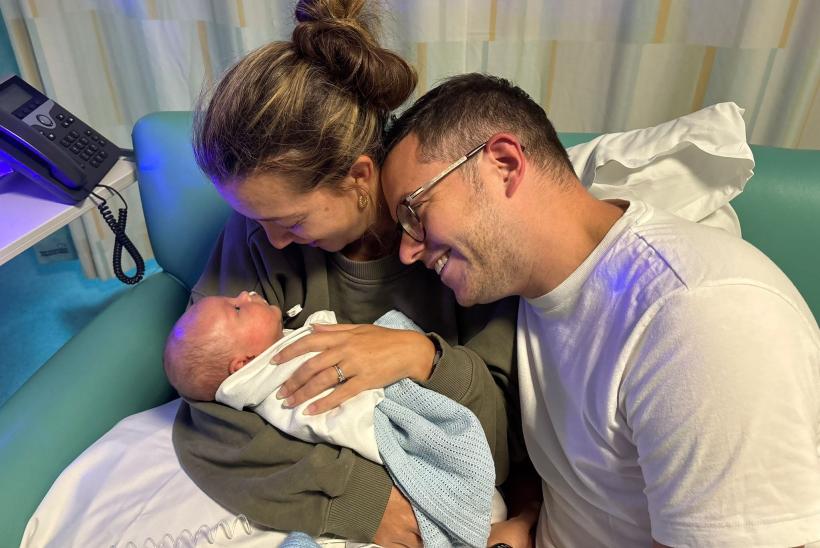
Some of the sickest children in the UK have started to join an innovative clinical trial designed to improve the survival and recovery of children requiring intensive care treatment.
In a world first, a ‘platform’ style clinical trial will be run in paediatric intensive care settings across 24 hospitals to test multiple drugs and interventions at the same time. Led by the intensive care team at Great Ormond Street Hospital for Children (GOSH), University College London (UCL) and the Intensive Care National Audit and Research Centre (ICNARC), the trial will ultimately recruit thousands of children across the UK and start by testing three drugs and interventions.
The trial – known as PIVOTAL - is funded by the National Institute for Health and Care Research (NIHR).
Every year around 20,000 critically ill children are admitted to paediatric intensive care units (PICU). Of these, 4% of children do not survive and 10-15% of survivors suffer serious and life-long consequences.
Most children who are treated on a PICU require multi-organ support, intensive ventilation and a significant number of interventions to save their lives and we urgently need better evidence as to which of these interventions are the most effective in saving lives.
The best way to evaluate treatment options is a randomised controlled trial (RCT), however these are expensive and take a significantly long time to deliver results for children – sometimes up to ten years for a single treatment option.
By utilising a ‘platform’ trial, the team will be able to address multiple research questions and treatments at the same time. This type of trial can also adapt as it goes along, adding in new treatments and research questions.
Results are also assessed during the trial rather than just at the end, which means that the treatments that are working better in the trial can be given to more patients and less safe or less effective treatments are stopped sooner.
The three questions the trial will initially aim to answer are:
- What is the best sedative for children requiring invasive ventilation?
- Is a conservative approach to managing fluids more effective?
- Does using blood transfusions less often improve outcomes?
For families, being part of the trial will not look different to the care that their child would be ordinarily receiving on PICU. Children are enrolled automatically when they are admitted to PICU, and at a later point families are asked if they want their child’s medical results to be included in the trial data.
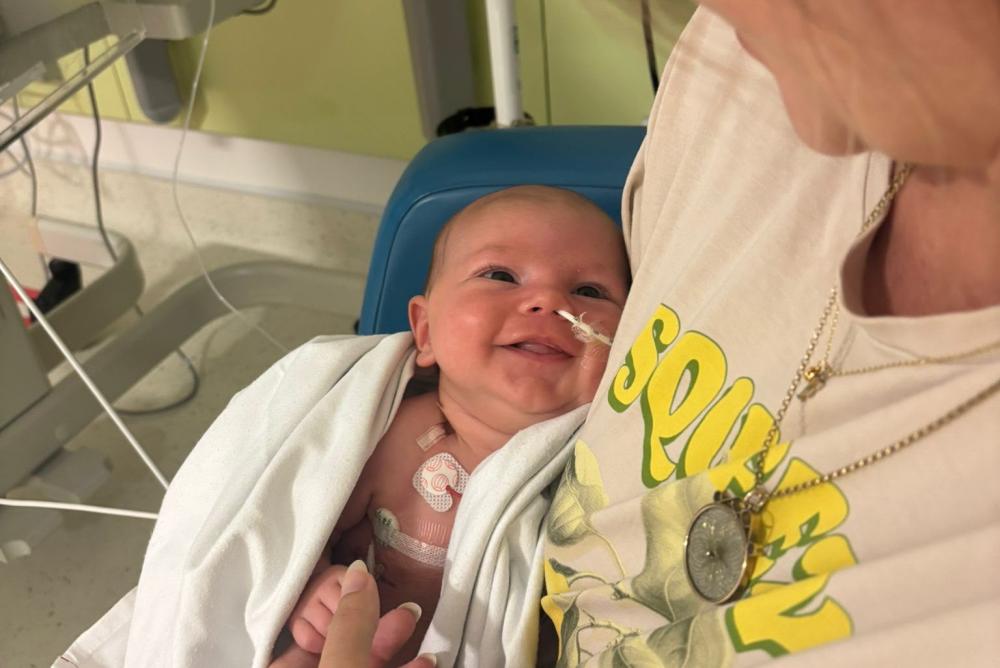
Freddie's journey in Intensive Care
Within the first 48 hours of the trial being open, 10 patients were enrolled onto it and now over a thousand of patients across the country have joined them. One of these patients was Freddie who was just five weeks old at the time when he was rushed to GOSH from his local hospital after collapsing at home.
He took part in the trial whilst he was on the Cardiac Intensive Care Unit. Mum, Beth, said:
“When Freddie arrived at GOSH he was really unwell and was added to all three arms of the PIVOTAL trial. The nurses explained how it wouldn’t look or feel any different to the care he would normally receive, but would help them gather important information about babies and children.
“We’re still finding out what caused Freddie to collapse, but we joined the trial so that his information can possibly help other children in the future.”
Mark Peters, Professor of Paediatric Intensive Care at the UCL GOS Institute of Child Health, said:
“It has always been our aim to have every child who comes onto our PICU enrolled in a clinical trial and the platform approach now allows us to trial multiple interventions at one time.
“The children who come onto our PICU at GOSH are some of the sickest children in the UK and they often require support for the very basic processes of life. Our ultimate aim is finding those small changes to interventions and drugs that can help save more lives and mean more children go home without long-term side effects from their illnesses.”
Kate Plant, Senior Critical Care Research Nurse at GOSH, said:
"As a research nurse, it’s been a privilege to see the PIVOTAL come to life at GOSH after years of development. We know that having a child in intensive care can be one of the most frightening and vulnerable times for families so we have to be extremely cautious with how we speak to them about research trials.
“The platform approach brings multiple research questions into one study, so we only have to ask families once but still means we answer vital questions about intensive care.
“Research is an essential part of every child’s care in intensive care, and it is an honour to help improve treatment today and for future patients."
Professor Anthony Gordon, Director for the NIHR Health Technology Assessment (HTA) Programme, said:
"Studies like the PIVOTAL trial help us to build on existing knowledge and expertise. They enable PICU teams to determine the best treatments for the most seriously ill children and achieve the best possible outcomes for them and their families, illustrating why investing in research within the NHS is so vital.
"The NIHR celebrates its 20th anniversary this year, and during that time, we've funded cutting edge research which has helped to find innovative treatments and solutions and inform future clinical practice and guidelines."

